
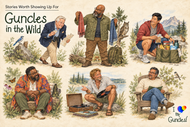
Guncles in the Wild
Posted by Danny Wiseman on Sep 10th 2026
A Field Guide to the Many Ways We Show Up
I grew up as one of four children.
Same parents. Same house. Same rules—or at least the same rules as each of us selectively remembers them.
But we were four very different people, with different talents, different temperaments and entirely different ways of moving through the world.
People sometimes imagine a two-story colonial as a spacious sort of childhood. Put six people inside it, though—each carrying large feelings, strong opinions and a competing idea about what should happen next—and even a two-story colonial can become a fairly small tinderbox.
That is one of the fascinating things about families.
Children may be raised together, but they do not experience the family in exactly the same way. What reassures one child overwhelms another. One wants advice. One wants an audience. One wants to be left alone until they are ready to talk.
And somehow the adults are supposed to figure out which one is standing in front of them.
Perhaps that is one of the gifts Guncles—and aunts, grandparents, family friends and other chosen adults—can offer.
We don’t all have to understand a child in precisely the same way.
Different adults notice different parts of them. Sometimes being truly seen by even one person is enough to help a child believe that who they are makes sense.
Fortunately, there is more than one way to be that person.
There is no official Guncle job description.
There is no certification program, although several of us would look fantastic at the graduation ceremony. There is no required personality, approved wardrobe or entrance examination testing one’s knowledge of popular music, children’s shoe sizes or emergency snack procurement.
Guncles appear in many forms.
Here are a few you may encounter in the wild.
The Fun Committee
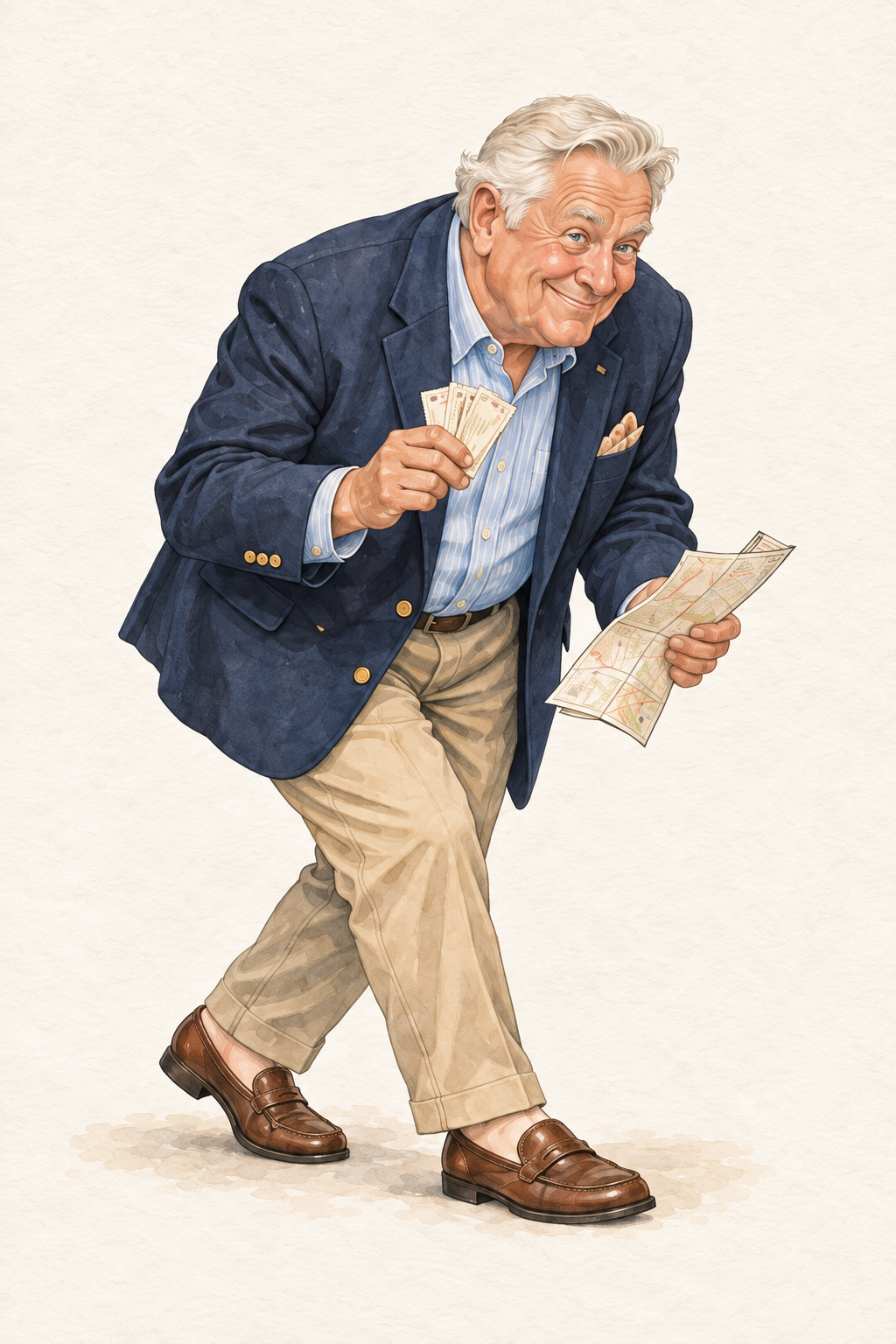
Usually carrying: Tickets, a plan and insufficient concern about bedtime.
Natural habitat: Anywhere someone has said, “Maybe we shouldn’t.”
Special ability: Remembering that fun is sometimes reason enough.
The Fun Committee knows where the good seats are, believes dessert is occasionally a reasonable first course and is willing to drive across town because someone mentioned a place with miniature golf, bumper boats and an “interactive dinosaur experience.” He understands that childhood sometimes needs an adult who is willing to say yes simply because something sounds fun.
He may return the children tired, sticky and carrying something that makes noise.
This is part of the experience.
The Personal Stylist
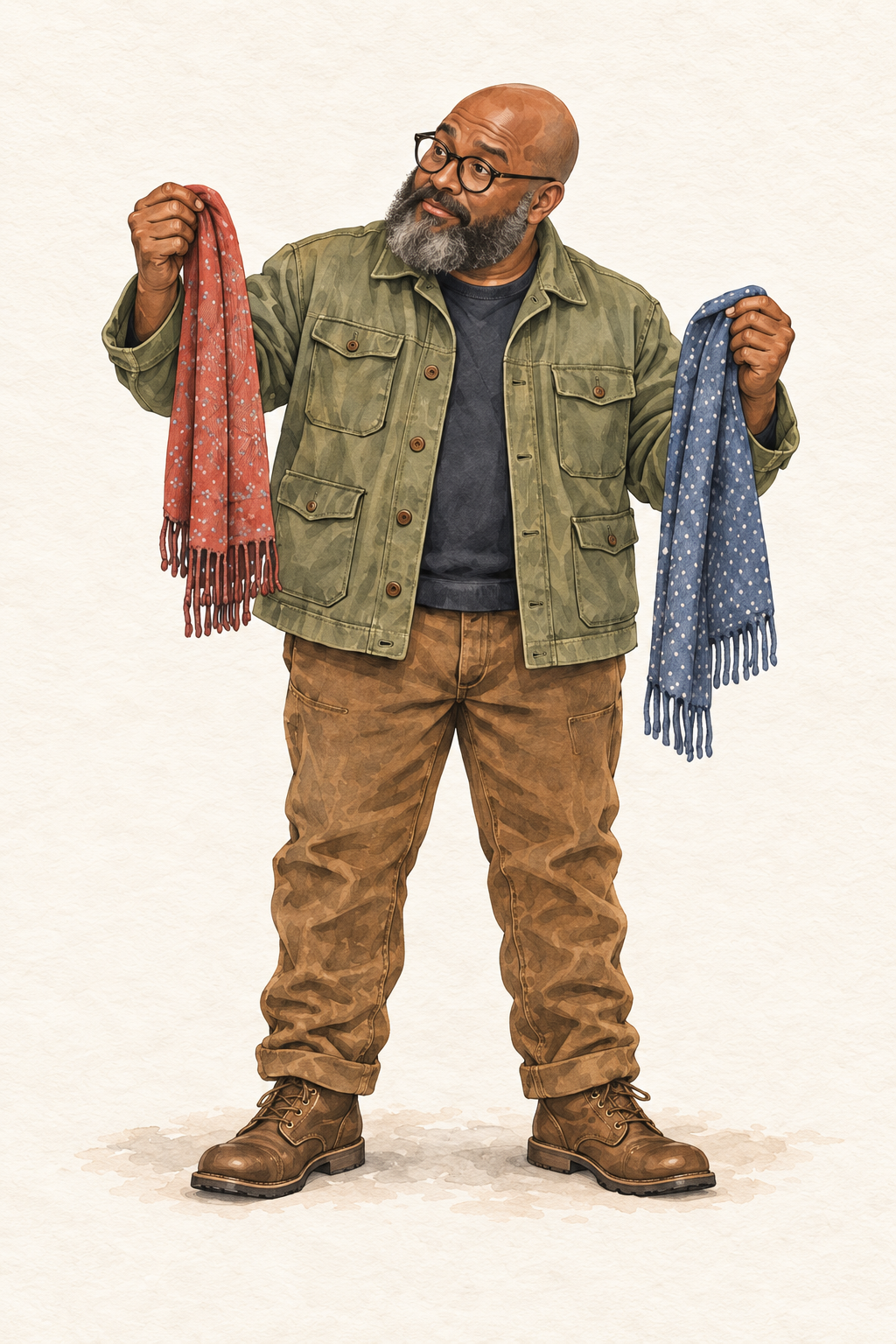
Usually carrying: An honest opinion and, quite possibly, a lint roller.
Natural habitat: The doorway, five minutes after everyone should have left.
Special ability: Helping a child look more like themselves—not more like everybody else.
The Personal Stylist has thoughts about the school-picture outfit. Strong ones. But beneath the commentary is an understanding that choosing how we present ourselves can be one of the earliest ways children explore who they are. He knows the difference between helping a child express themselves and teaching them to dress for everyone else’s approval.
Sometimes his greatest contribution is not selecting the outfit.
It is saying, “If you love it, I love it.”
The Keeper of the Snacks
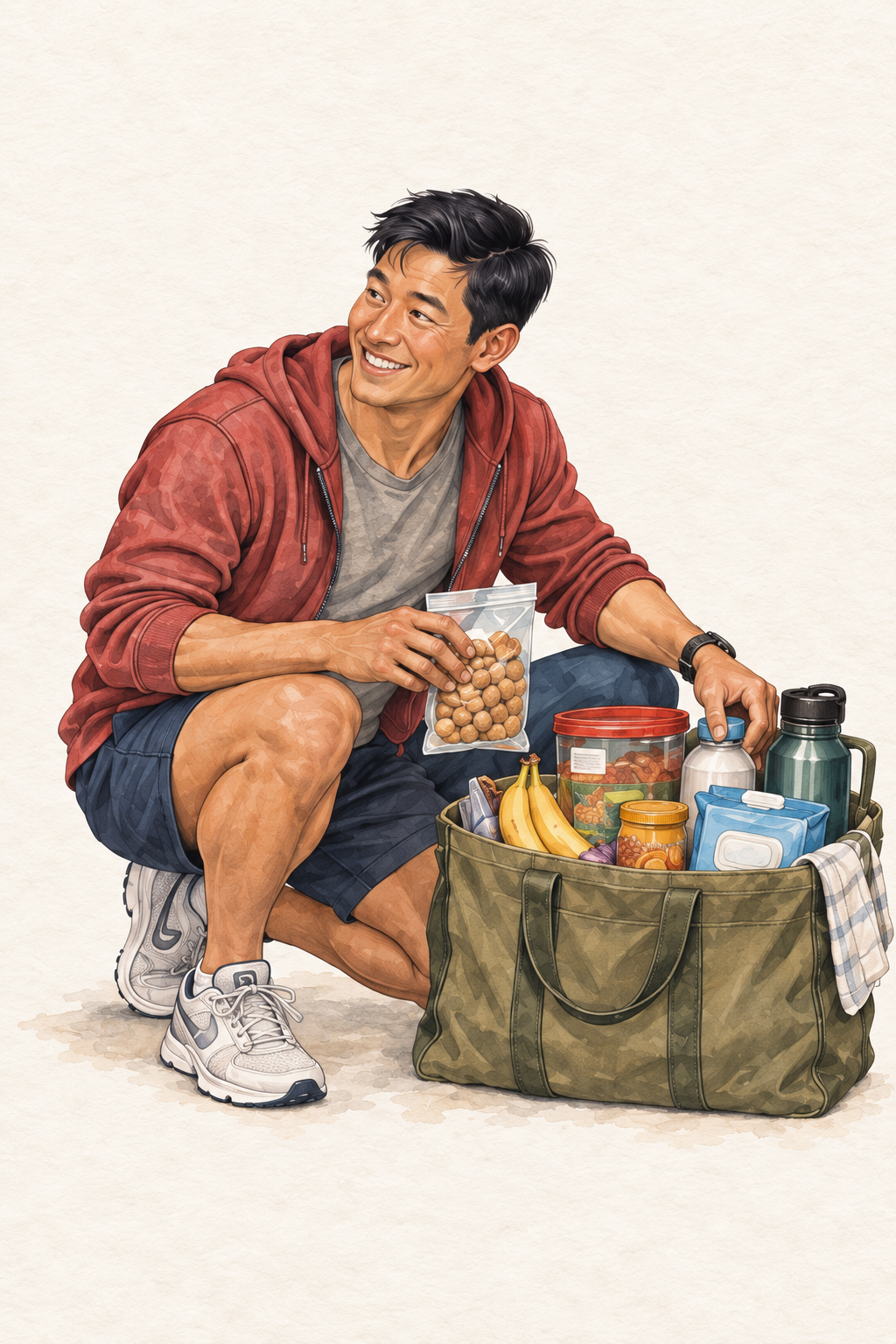
Usually carrying: Enough provisions to survive a minor weather event.
Natural habitat: Wherever a child has just announced, “I’m hungry.”
Special ability: Producing the correct snack shortly before the situation becomes unmanageable.
The Keeper of the Snacks may not know the pediatrician’s name. He may have forgotten that children require jackets despite having been reminded twice. But nobody is going hungry on his watch.
He understands that hospitality is not limited to dinner parties and carefully set tables. Sometimes love looks like remembering who hates raisins, who cannot let two foods touch and who will insist they are not hungry until all available food is at least twenty minutes away.
The Human Lie Detector
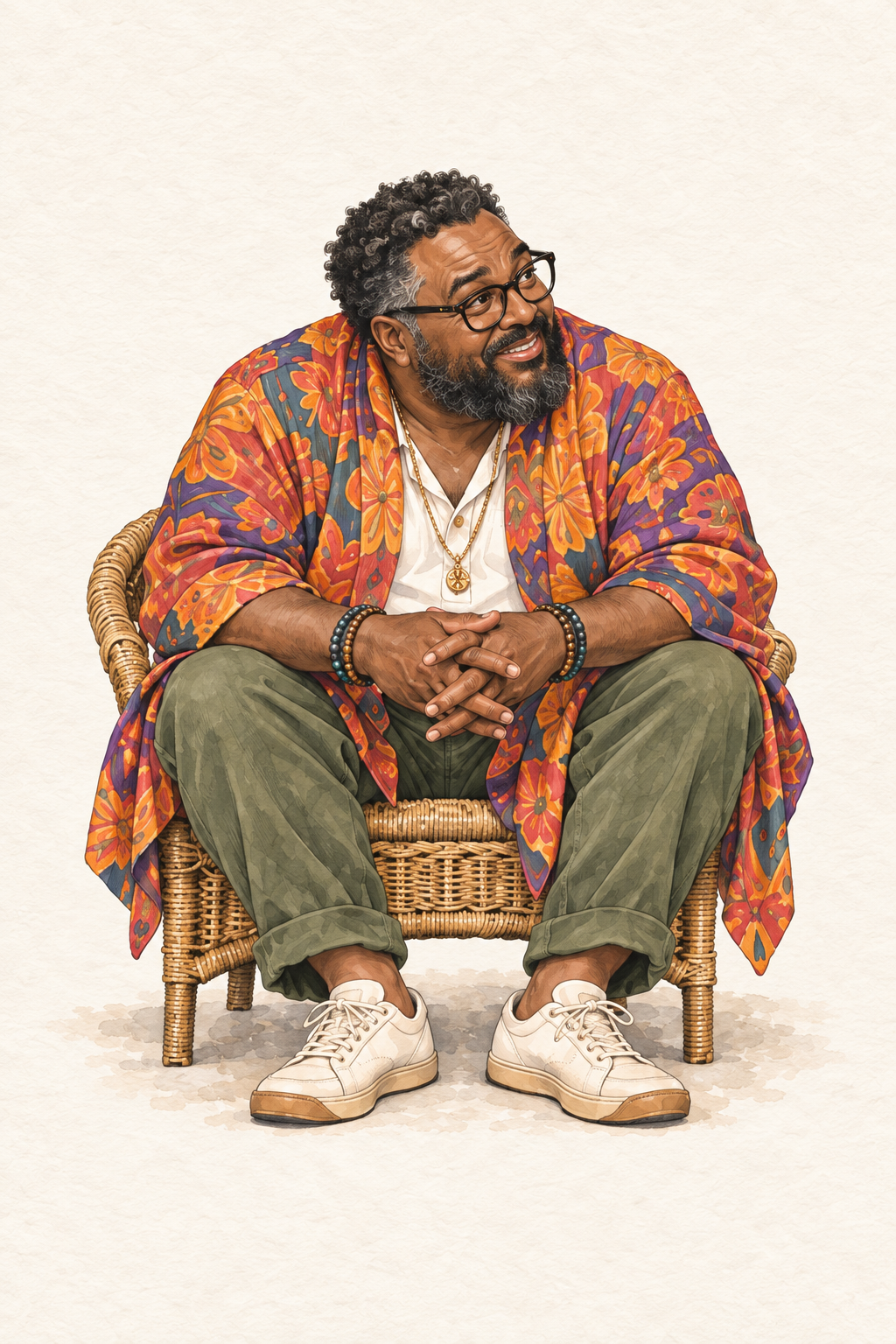
Usually carrying: A question he will not force you to answer.
Natural habitat: The passenger seat after a long day.
Special ability: Hearing the difference between “I’m fine” and “I’m… fine.”
The Human Lie Detector recognizes “I’m fine” because he has used it himself. He notices when a child grows quiet, hears the answer that arrives a little too quickly and knows when to ask one more question.
He may not have a solution. That is not always what a child needs.
Sometimes they need an adult who can make room for a feeling without correcting it, rushing it or explaining why it should not be there.
He quietly says, “You don’t have to pretend with me.”
The Teacher of Unexpected Things

Usually carrying: Highly specific knowledge nobody knew they needed.
Natural habitat: Beside something he has just taken apart—or is about to explain.
Special ability: Turning curiosity into common ground.
Somebody teaches the child how to fish. Somebody explains baseball, theatre, gardening, power tools, vinyl records or why one should never choose a karaoke song with a ninety-second instrumental opening.
A Guncle does not need to know everything. He only needs to know something well enough—or love something deeply enough—to invite a child into that part of his world.
What begins as a lesson may eventually become common ground.
And common ground has a way of becoming a relationship.
The Quiet Guncle
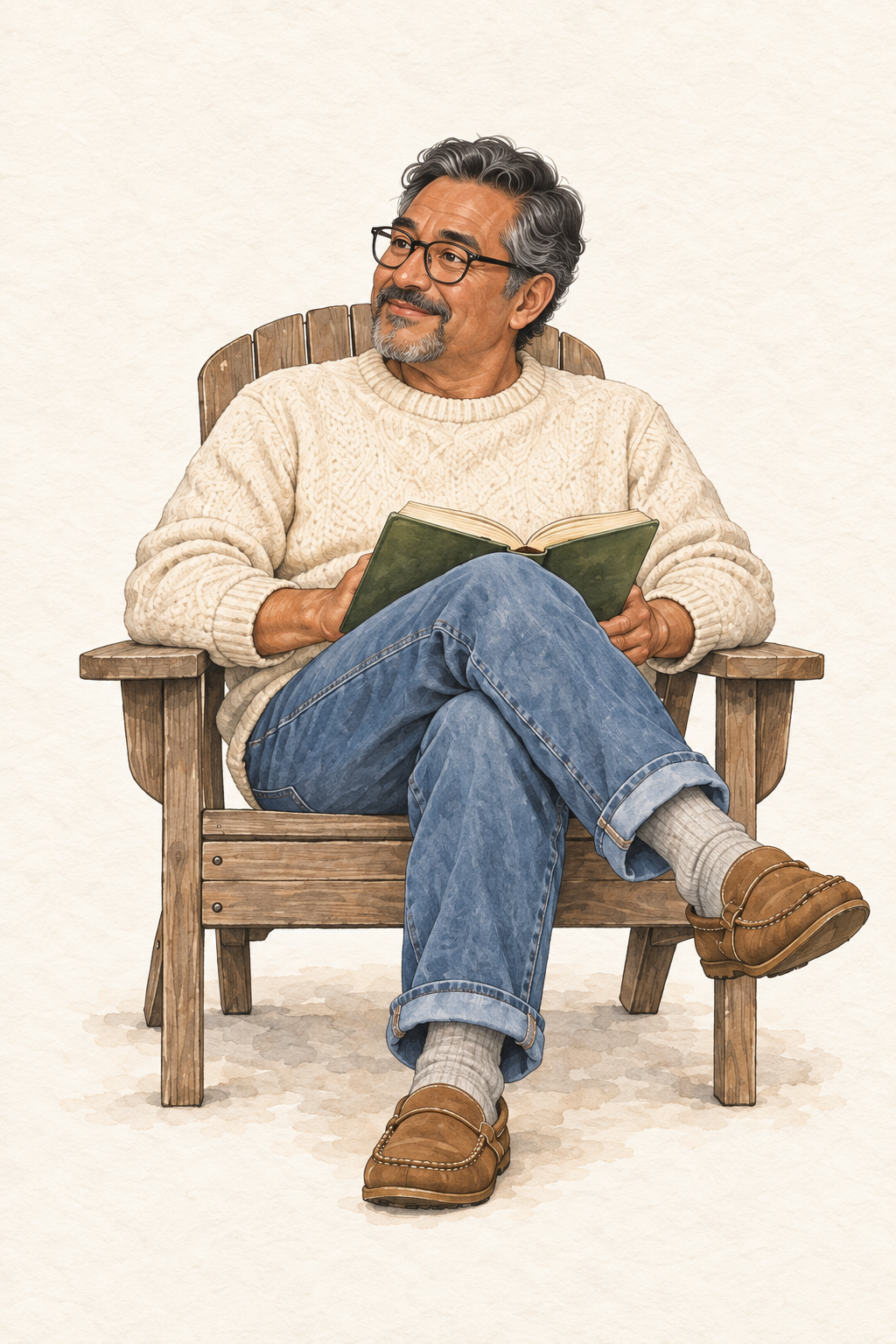
Usually carrying: Not much—and needing even less attention.
Natural habitat: At the edge of the activity, somehow still part of everything.
Special ability: Making a room feel less demanding.
The Quiet Guncle may not lead the dance party, plan an elaborate entrance or arrive in sequins.
He listens. He remembers. He comes back.
His affection is expressed through consistency rather than spectacle. He is the person helping with homework at the kitchen table, sitting at the edge of the game or quietly fixing the thing everyone else assumed was permanently broken.
Some children need the adult who begins the adventure.
Others need the one beside whom they can finally exhale.
There Is No Best Kind
Of course, almost nobody is only one kind of Guncle.
The Fun Committee may become the Human Lie Detector on the ride home. The Personal Stylist may also be the Keeper of the Snacks. The Quiet Guncle may surprise everyone at karaoke and reveal that we have severely underestimated him.
People are rarely just one thing.
That is rather the point.
Children benefit from adults who bring their own personalities, histories, talents and ways of loving into the relationship. They do not need every adult to provide the same experience or connect with them in the same way.
They need people who are genuinely present.
And genuine presence begins with being genuine.
A Guncle does not always teach a child authenticity by delivering a speech about being yourself.
Very often, he teaches it simply by being himself—and allowing the child to see that he is loved that way.
That lesson can be almost invisible.
It is communicated by the Guncle who laughs loudly without apologizing for taking up space. The one who openly cries at movies. The one who would rather stay home. The one who wears the sequins. The one who fixes bicycles. The one who knows every lyric—and the one who needs the lyrics printed in front of him and still enters two measures late.
Each offers a child the same quiet reassurance:
There is more than one way to be a person.
Bring What Is Yours
There are many ways to be a Guncle because there are many ways to love a child.
Bring your humor. Bring your patience. Bring your recipes, your records, your stories, your curiosity, your questionable fashion advice and the peculiar collection of things you happen to know.
Bring the tickets if you are the one who plans the adventure.
Bring the snacks if you are the one who remembers what everyone needs.
Bring the quiet if you are the person who knows how to make room.
Wear the sequins—or don’t.
But bring the person you actually are.
Because every time a child sees an adult being fully themselves—and fully loved—they receive a quiet message:
You do not have to become somebody else to belong here.
And that may be one of the greatest things a Guncle can give them.